
The Rainbow Fish Book PDF: A Comprehensive Guide (Updated 05/04/2026)
Today‚ May 4th‚ 2026‚ finding a digital copy of Marcus Pfister’s beloved tale is achievable through legitimate online avenues‚ like the
Internet Archive‚ offering free downloads and streaming options.
What is “The Rainbow Fish”?
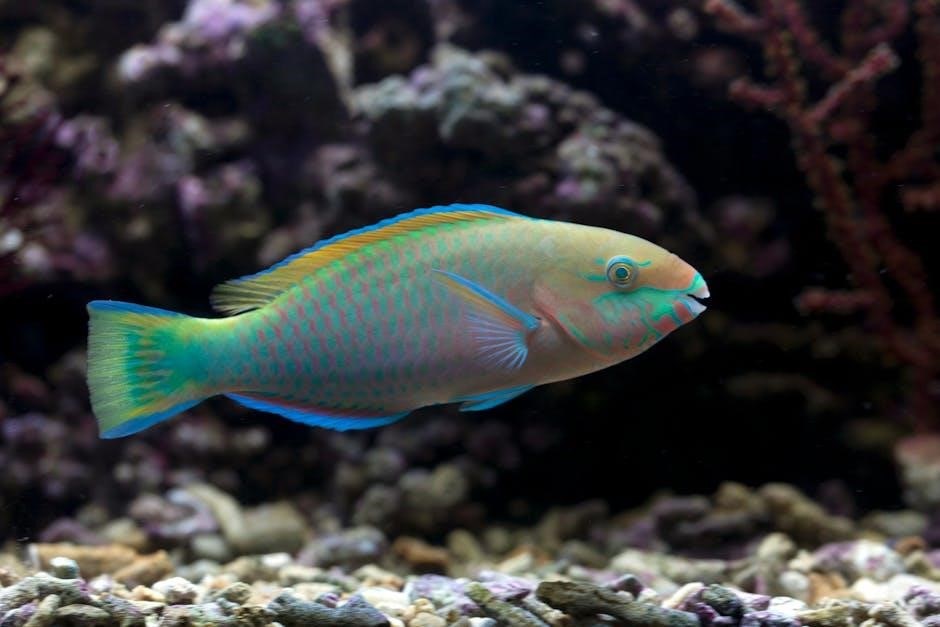
“The Rainbow Fish‚” originally published as Der Regenbogenfisch‚ is a captivating children’s picture book penned and illustrated by the Swiss author Marcus Pfister. This enchanting story‚ first appearing in 1992‚ centers around a strikingly beautiful fish distinguished by its shimmering‚ iridescent scales. However‚ this beauty initially leads to isolation‚ as the Rainbow Fish struggles to make friends due to its perceived arrogance.
The narrative explores the fish’s journey from loneliness to acceptance‚ highlighting the importance of sharing and generosity. The book‚ available in various editions including a “Big Book” format‚ has become a cornerstone of early childhood education. Digital versions‚ including PDF formats‚ are sought after for convenient access.
The story’s enduring appeal lies in its simple yet profound message about the true meaning of friendship and the joy found in giving. It’s a tale that resonates with children and adults alike‚ making it a timeless classic.
Author and Publication Details: Marcus Pfister’s Classic
Marcus Pfister‚ a celebrated Swiss author and illustrator‚ brought “The Rainbow Fish” to life in 1992. Born in 1960‚ Pfister is renowned for his innovative use of collage and foil stamping‚ creating the book’s signature shimmering scales that captivate readers. The original German title‚ Der Regenbogenfisch‚ quickly gained international acclaim after its publication.
The story was initially released as a large-format picture book‚ and subsequently translated into numerous languages‚ becoming a global phenomenon. Various editions exist‚ including “Big Book” versions designed for classroom storytelling. The enduring popularity has led to widespread availability‚ including digital PDF copies accessible through platforms like the Internet Archive.
Pfister’s artistic technique and heartfelt narrative have cemented “The Rainbow Fish” as a beloved classic‚ continuing to inspire generations with its message of sharing and friendship. The book remains a staple in children’s literature worldwide.
The Story’s Core Message: Sharing and Friendship
“The Rainbow Fish” beautifully illustrates the transformative power of generosity and the importance of connection. Initially‚ the Rainbow Fish’s dazzling scales isolate him; his beauty prevents other fish from approaching‚ leading to loneliness. He learns that true happiness isn’t found in possessing beautiful things‚ but in sharing them with others.
The narrative emphasizes that giving‚ even when it means sacrificing something valued‚ fosters friendship and acceptance. As the Rainbow Fish shares his scales‚ he gains companions and experiences the joy of belonging. This central theme resonates deeply with young readers‚ teaching valuable social-emotional lessons.
The story’s simplicity and poignant message make it an ideal tool for discussing empathy‚ kindness‚ and the benefits of community. PDF versions of the book facilitate easy access for educators and parents to explore these themes with children.
Finding a “Rainbow Fish” Book PDF
Locating a PDF of “The Rainbow Fish” involves exploring trusted digital libraries and resources‚ ensuring safe and legal access to this cherished story.
Legitimate Sources for PDF Downloads
Accessing “The Rainbow Fish” in PDF format requires prioritizing legal and safe download options. The Internet Archive stands out as a reliable source‚ offering a digitized version of the book for borrowing or download. This platform provides access to a wealth of public domain and openly licensed materials‚ ensuring compliance with copyright regulations.
Furthermore‚ some educational platforms or library systems may offer access to digital copies of the book through their online catalogs. Checking with your local library or school district’s digital resources is a prudent step. Beware of websites promising free downloads that appear suspicious‚ as these may harbor malware or infringe on copyright. Always verify the source’s legitimacy before downloading any file.
Remember‚ supporting authors and publishers by obtaining books through authorized channels is crucial for fostering continued creativity and quality literature. Utilizing legitimate sources guarantees a safe and ethical reading experience.
Internet Archive Availability and Access
The Internet Archive currently hosts a digital version of “The Rainbow Fish” by Marcus Pfister‚ readily available for free download‚ borrowing‚ and streaming. As of today‚ May 4th‚ 2026‚ the record (urn:oclc:record:1036820230) details a translation of the original German text‚ Der Regenbogenfisch.
Accessing the book is straightforward; users can choose to borrow the PDF for a limited time or download it directly‚ depending on availability and Archive policies. The listing notes the absence of page numbers and a table of contents‚ indicating it may be a scanned version.
Notably‚ the Archive also identifies a “big book ed.” version (urn:lcp:rainbowfish00pfis:lcpdf:b9a57ffc-9a67-4035-bf49-36a1ce8fb77c) suitable for classroom reading. Users should familiarize themselves with the Internet Archive’s terms of use before accessing or downloading any content‚ ensuring responsible and legal usage.
Potential Risks of Unofficial PDF Downloads
Seeking “Rainbow Fish” PDF downloads from unofficial sources presents several risks. Websites offering free PDFs outside legitimate platforms like the Internet Archive often harbor malware‚ viruses‚ and other malicious software that can compromise your device and personal data. These files may also contain misleading or inappropriate content disguised as the beloved children’s story.
Furthermore‚ downloading copyrighted material illegally is a violation of intellectual property rights and can have legal consequences. Unofficial PDFs frequently lack the quality and formatting of professionally published versions‚ potentially impacting the reading experience.
Prioritizing safety and legality is crucial. Stick to trusted sources like the Internet Archive or authorized online bookstores to ensure a secure and legitimate download. Protecting your digital wellbeing and respecting copyright laws are paramount when accessing digital content.

Exploring the Book’s Content

“The Rainbow Fish” features a stunningly beautiful fish and his friends‚ with a plot centered on learning to share and accept others‚ beautifully illustrated with shimmering scales.
Key Characters: The Rainbow Fish and His Friends
The Rainbow Fish himself is undeniably the star‚ renowned throughout the ocean for his dazzling‚ shimmering scales – a source of both admiration and isolation. Initially‚ his beauty leads to loneliness‚ as other fish desire his scales but are unwilling to offer friendship in return.
He encounters a wise old sea turtle who advises him to share his scales to gain companionship. The little blue fish represents the desire for connection and serves as a catalyst for the Rainbow Fish’s transformation. This small fish bravely approaches the Rainbow Fish‚ despite feeling intimidated by his splendor.
Throughout the story‚ various other fish populate the ocean‚ initially envious of the Rainbow Fish‚ but ultimately becoming his friends as he learns the value of generosity. These supporting characters highlight the importance of inclusivity and demonstrate how sharing can foster a sense of community and belonging within the underwater world.
Plot Summary: From Isolation to Acceptance
The narrative begins with the Rainbow Fish‚ the most beautiful creature in the sea‚ yet profoundly lonely. His shimmering scales captivate all‚ but prevent him from forming friendships; other fish long for a scale‚ but his pride hinders sharing. Rejected and disheartened‚ he seeks counsel from the wise old sea turtle.
The turtle’s advice – to share his scales – is initially difficult for the Rainbow Fish to accept. However‚ he cautiously offers a scale to the little blue fish‚ who is overjoyed and immediately becomes his friend. This act sparks a chain reaction; as the Rainbow Fish continues to share‚ more and more fish approach him‚ eager for friendship.

Gradually‚ the Rainbow Fish discovers that true happiness lies not in possessing all the beauty‚ but in the joy of companionship. He learns that giving brings greater fulfillment than keeping‚ ultimately finding acceptance and belonging within the vibrant ocean community.
Illustrative Style: The Unique Shimmering Scales
Marcus Pfister’s distinctive illustration technique is central to the book’s enduring appeal. He masterfully employs collage‚ layering vibrant tissue paper to create the Rainbow Fish’s iconic‚ shimmering scales. These aren’t simply drawn; they possess a tactile quality‚ appearing to genuinely sparkle and reflect light on the page.
The scales are meticulously crafted‚ each one individually applied‚ giving the fish a breathtaking‚ almost three-dimensional appearance. This technique sets the Rainbow Fish apart from other underwater creatures‚ visually emphasizing his initial isolation and unique beauty. The use of color is equally striking‚ with the rainbow hues symbolizing the fish’s inner radiance.
Pfister’s style isn’t overly detailed; instead‚ he focuses on capturing the essence of the ocean environment and the emotional state of his characters‚ making the illustrations both captivating and emotionally resonant.

Educational Applications of “The Rainbow Fish”
“The Rainbow Fish” lends itself beautifully to lessons on social-emotional learning‚ phonemic awareness‚ and creative writing‚ fostering empathy and linguistic skills.
Using the Story for Social-Emotional Learning
“The Rainbow Fish” provides a rich foundation for exploring crucial social-emotional concepts with young learners. The narrative beautifully illustrates the initial loneliness and unhappiness experienced by the Rainbow Fish due to his unwillingness to share. This offers a powerful starting point for discussions about the importance of friendship and inclusivity.
Educators can guide children to identify the Rainbow Fish’s feelings – his pride‚ then his isolation‚ and finally‚ his joy after sharing. Role-playing scenarios‚ where children act out the story‚ can deepen their understanding of empathy and perspective-taking.
Furthermore‚ the story encourages conversations about generosity and the reciprocal nature of kindness. Sharing doesn’t diminish one’s own value; instead‚ it fosters connection and happiness. Activities could include brainstorming ways to share with others‚ both tangible items and intangible qualities like kindness and time. The book’s message resonates deeply‚ promoting a positive classroom environment built on compassion and respect.
Phonemic Awareness Activities Based on the Story
“The Rainbow Fish” lends itself wonderfully to phonemic awareness exercises. Focusing on key words from the story‚ like “rainbow‚” “fish‚” and “shimmer‚” allows for targeted practice. Teachers can begin with identifying initial sounds – “What sound does ‘fish’ start with?” – and progress to rhyming activities.
Segmenting and blending sounds within these words provides further practice. For example‚ breaking down “rainbow” into /r/ /a/ /i/ /n/ /b/ /o/ /w/. A fun activity involves creating word families based on the story’s vocabulary.
The text also offers opportunities to explore digraphs‚ such as “sh” in “shimmering.” Teachers can challenge students to find other words containing the same digraph. Furthermore‚ the story can inspire a “sound sort‚” where children categorize words based on specific phonetic elements. These playful activities reinforce essential pre-reading skills while connecting directly to a beloved story.
Creative Writing Prompts Inspired by the Rainbow Fish
“The Rainbow Fish” sparks imagination and provides excellent creative writing prompts. Encourage students to write from the perspective of the little blue fish‚ detailing his feelings when the Rainbow Fish wouldn’t share. Alternatively‚ ask them to imagine a new adventure for the Rainbow Fish‚ perhaps encountering a different sea creature in need of help.
Prompts could also focus on the importance of friendship. “Write a story about a time you shared something with a friend and how it made you feel.” Or‚ “Imagine you are a scale on the Rainbow Fish – describe what it’s like to be part of something so beautiful.”
Extend the activity by asking students to create their own underwater world‚ complete with unique characters and challenges. Encourage descriptive language‚ focusing on colors and textures‚ mirroring the book’s vibrant illustrations. These prompts foster empathy‚ storytelling skills‚ and a deeper connection to the story’s themes.
Haiku and Poetry Connections to the Story’s Themes
“The Rainbow Fish” lends itself beautifully to poetry exploration‚ particularly the Japanese art form of Haiku. Explain the 5-7-5 syllable structure‚ emphasizing its concise nature. Students can craft Haiku reflecting the story’s themes – sharing‚ friendship‚ and beauty.

For example: Shimmering scales gleam‚ / Sharing brings a joyful heart‚ / Friends swim in the sea. Encourage students to focus on imagery and sensory details‚ mirroring the book’s visual appeal. Beyond Haiku‚ explore free verse poetry‚ allowing for more expressive exploration of feelings.
Prompts could include: “Write a poem about loneliness‚” or “Write a poem about the joy of giving.” Discuss how poetry can convey emotions and ideas in a powerful‚ yet compact‚ way. This activity enhances poetic understanding and reinforces the story’s core message.

“The Rainbow Fish” in Different Formats
Beyond the PDF‚ enjoy “The Rainbow Fish” as a Big Book for classrooms‚ captivating audiobooks via Storyline Online‚ and translated editions worldwide‚ broadening its reach.
Big Book Editions for Classroom Use
For immersive story times and shared reading experiences‚ the “Rainbow Fish” Big Book edition is an invaluable resource for educators. These larger-format versions‚ explicitly mentioned in Internet Archive records‚ amplify the stunning visuals of Marcus Pfister’s illustrations‚ particularly the shimmering scales.
The increased size allows all students to clearly see the artwork‚ fostering engagement and comprehension. Teachers can effectively utilize the Big Book for modeling fluent reading‚ pointing out key details‚ and prompting discussions about the story’s themes of sharing and friendship.
This format is ideal for whole-group instruction‚ enabling interactive read-alouds where students can participate in predicting what will happen next or identifying the emotions of the characters. The Big Book edition transforms story time into a dynamic and collaborative learning opportunity‚ enhancing the overall impact of “The Rainbow Fish” in the classroom.
Audiobook Versions and Storyline Online Resources
Beyond the physical and PDF formats‚ “The Rainbow Fish” is readily available as an audiobook‚ providing an alternative way to experience the story. This is particularly beneficial for auditory learners or for use during quiet reading times. Resources like Storyline Online further enhance accessibility‚ offering a video recording of a professional actor reading the book aloud.
The Storyline Online link‚ referenced as www.littleclickers.com/fish‚ provides a captivating visual accompaniment to the narration‚ bringing the characters and plot to life. These resources are excellent for supporting literacy development‚ exposing children to expressive reading‚ and fostering a love of literature.
Audiobooks and Storyline Online versions are also valuable tools for differentiating instruction‚ catering to diverse learning needs‚ and extending the story’s reach beyond the classroom walls. They offer a convenient and engaging way to revisit the tale of the Rainbow Fish repeatedly.
Translations and International Availability
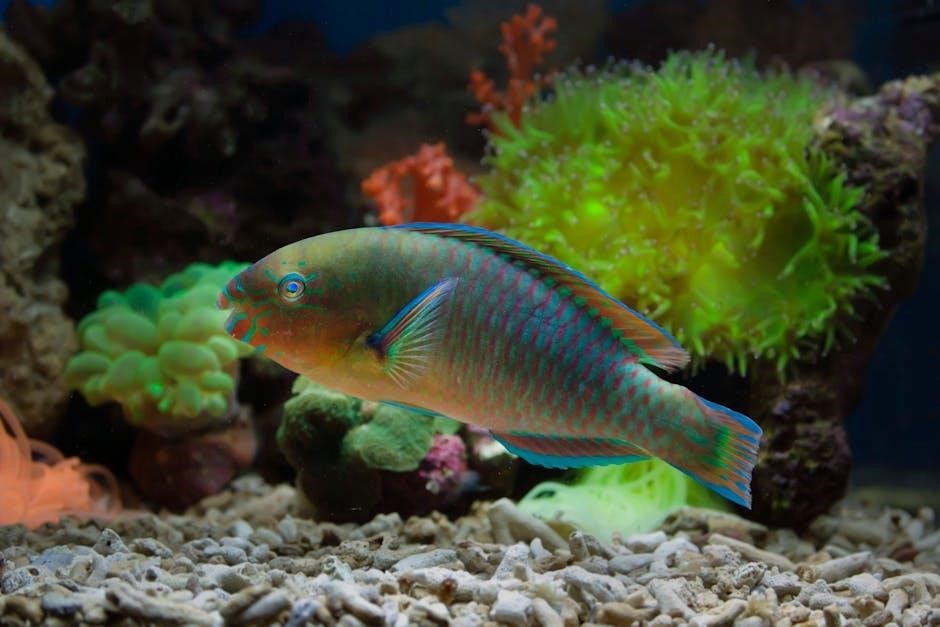
“The Rainbow Fish” transcends linguistic boundaries‚ having been translated into numerous languages‚ making its heartwarming message accessible to children worldwide. This widespread availability demonstrates the story’s universal appeal and enduring popularity across diverse cultures. Finding PDF versions in languages other than English may require searching specific international online bookstores or digital libraries.
The original German title‚ “Der Regenbogenfisch‚” indicates its origins and subsequent global distribution. While the primary focus remains on the English version‚ the existence of translations highlights the story’s cultural impact. Availability of PDF copies in translated versions can vary significantly depending on the language and region.
Readers seeking international editions should explore online platforms specializing in foreign language books or consult with local libraries and educational resources. The story’s core themes of sharing and friendship resonate globally‚ contributing to its continued success in various linguistic contexts.