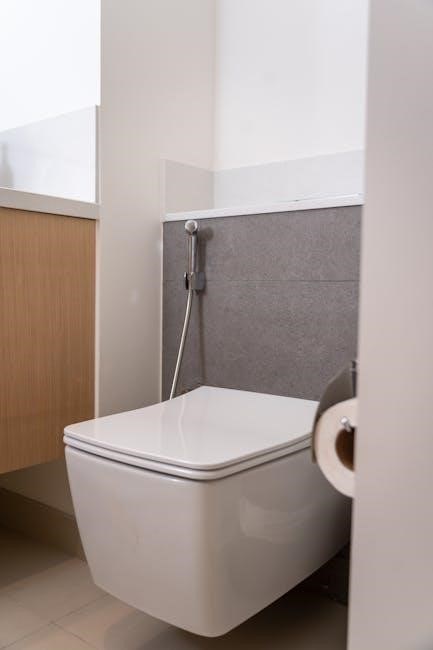
Manual Bidet Toilet Seat: A Comprehensive Guide
Discover the world of manual bidet toilet seats! This guide explores these hygienic fixtures, offering insights into installation, features, and comparisons with electric models․
What is a Manual Bidet Toilet Seat?
A manual bidet toilet seat is a plumbing fixture designed for personal hygiene, attaching directly to your existing toilet․ Unlike electric bidets, manual versions operate without electricity, relying entirely on water pressure from your plumbing system․ They offer a refreshing and hygienic alternative to traditional toilet paper, providing a cleansing water spray after toilet use․
These seats typically feature adjustable nozzles for customized water positioning and intensity․ Common types include non-electric models, utilizing simple mechanics for operation, and mechanical manual bidets, offering more control through levers or dials․ Manual bidets are gaining popularity for their affordability, ease of installation, and eco-friendly nature, reducing reliance on paper products․ They represent a simple yet effective upgrade to your bathroom routine, promoting cleanliness and comfort․
Benefits of Using a Manual Bidet Toilet Seat
Enhanced Hygiene: Manual bidet toilet seats provide a superior clean compared to toilet paper alone, reducing bacteria and promoting overall personal hygiene․ Cost Savings: By decreasing toilet paper consumption, you’ll see a noticeable reduction in your household expenses over time․ Eco-Friendly: Less toilet paper usage translates to fewer trees felled and reduced waste in landfills, benefiting the environment․
Comfort & Relief: Bidets can offer soothing relief for individuals with hemorrhoids, fissures, or post-surgical discomfort․ Easy Installation: Most manual bidets are designed for DIY installation, requiring basic plumbing knowledge and common tools․ Improved Accessibility: They can assist individuals with limited mobility, making personal hygiene easier and more independent․ Ultimately, a manual bidet offers a refreshing, sustainable, and comfortable bathroom experience․
Types of Manual Bidet Toilet Seats
Non-Electric Manual Bidets are the most common type, relying solely on water pressure from your existing plumbing․ These are typically more affordable and easier to install, requiring no electrical outlet․ They often feature adjustable nozzles and water flow control․ Mechanical Manual Bidets utilize a lever or dial system to control water spray and nozzle position․
These offer a more tactile experience and precise adjustments․ Some models incorporate dual nozzles for posterior and feminine washes․ Both types generally attach under your existing toilet seat․ Choosing between them depends on your budget and desired level of control․ Consider elongated or round bowl compatibility when selecting a model․
Non-Electric Manual Bidets
Non-electric manual bidets represent a straightforward entry into bidet use, operating entirely on your home’s water pressure․ These models, like the Puretide Elongated, are prized for their simplicity and affordability․ Installation is generally DIY-friendly, connecting directly to the toilet’s water supply․
They lack features like heated seats or warm water, relying on the existing cold water line․ However, adjustable nozzles allow for customized spray positioning and intensity․ Many offer dual nozzles for both rear and feminine cleansing; These bidets are ideal for those seeking a hygienic upgrade without the complexity or cost of electric versions․ They are a practical and eco-friendly bathroom addition․
Mechanical Manual Bidets
Mechanical manual bidets, such as the Maro DItalia FP208, offer a step up in functionality from basic non-electric models․ They utilize a combination of water pressure and mechanical levers or dials for control․ A key feature is often the ability to blend hot and cold water, providing a degree of temperature control without electricity․
These bidets typically feature a thermostatic mixing valve, ensuring consistent water temperature during use․ The nozzle position and water pressure are adjusted manually, offering a personalized cleansing experience․ While still relying on your plumbing for power, they provide enhanced comfort and convenience․ They represent a balance between simplicity, affordability, and improved features․
Installation Process
Installing a manual bidet seat is generally a DIY-friendly task! It involves removing your existing seat and attaching the bidet, connecting to the water supply․
Tools Required for Installation
Preparing for a successful manual bidet toilet seat installation requires gathering a few essential tools․ A standard adjustable wrench is crucial for securely connecting the water supply line to the bidet’s inlet․ You’ll also need a screwdriver – both Phillips head and flathead – to remove the existing toilet seat and tighten the mounting hardware for the bidet attachment․
Plumber’s tape (Teflon tape) is vital for creating a watertight seal on threaded connections, preventing leaks․ A bucket or towel is handy to catch any residual water during the disconnection of the existing supply line․ Some installations might benefit from a small pair of pliers for gripping stubborn nuts or bolts․
Finally, having a level can ensure the bidet seat is properly aligned on the toilet bowl․ While not always necessary, a basin wrench can be helpful if access to the water supply valve is limited․ Ensuring you have these tools readily available will streamline the installation process and minimize frustration․
Step-by-Step Installation Guide
Installing a manual bidet toilet seat is a straightforward DIY project․ First, shut off the water supply to your toilet at the valve․ Next, carefully remove the existing toilet seat and its mounting hardware․ Thoroughly clean the toilet bowl rim where the bidet seat will sit․
Position the bidet seat onto the toilet bowl, aligning the mounting holes․ Secure it using the provided bolts and washers, tightening them evenly․ Connect the bidet’s water supply hose to the toilet’s fill valve, using plumber’s tape on the threads for a leak-proof seal․
Slowly turn the water supply back on and check for any leaks at the connections․ If leaks are present, tighten the connections further or reapply plumber’s tape․ Finally, test the bidet’s functionality to ensure proper operation․ Refer to the product’s manual for specific instructions․
Removing the Existing Toilet Seat
Begin by locating the bolts securing your current toilet seat, typically found at the rear of the bowl, covered by plastic caps․ Gently pry off these caps to reveal the bolt heads․ Using a wrench or screwdriver (depending on the bolt type), carefully loosen and remove these bolts․
Once the bolts are removed, lift the existing toilet seat straight up and off the bowl․ It may require a slight wiggle if it’s been in place for a long time․ Thoroughly clean the toilet bowl surface where the seat rested, removing any grime or residue․
Inspect the mounting holes for any damage or corrosion․ Ensure they are clean and clear before proceeding with the installation of the new manual bidet toilet seat․ Keep the old bolts and washers; sometimes they can be reused if compatible․
Attaching the Bidet Seat
Position the manual bidet seat onto the toilet bowl, aligning the mounting holes on the bidet seat with those on the toilet․ Most manual bidets come with adjustable mounting brackets – ensure these are properly positioned for a secure fit․
Insert the bolts (either the original ones or those provided with the bidet) through the mounting holes, from the top of the seat and through the toilet bowl․ Secure them with washers and nuts underneath the bowl․
Hand-tighten the nuts initially, then use a wrench to gradually tighten them, alternating between each bolt to ensure even pressure․ Avoid over-tightening, as this could crack the porcelain․ Once secure, double-check the seat’s stability and alignment․
Connecting the Water Supply
Locate the toilet’s water supply valve and turn it off clockwise․ Flush the toilet to relieve any remaining pressure in the tank․ Connect the provided T-adapter to the toilet tank’s water inlet․ This adapter will split the water supply between the tank and the bidet․
Attach the bidet’s water hose to the T-adapter and the bidet seat itself․ Ensure the connections are snug and secure, using Teflon tape on the threads if necessary to prevent leaks․
Slowly turn the water supply valve back on, checking for any leaks at the connections․ If leaks are present, tighten the connections further or reapply Teflon tape․ Once confirmed leak-free, the water supply to your manual bidet is complete․
Features and Adjustments
Manual bidets offer adjustable water pressure and nozzle positioning for personalized comfort․ Some models feature limited temperature control options for enhanced usability․
Water Pressure Control
Adjusting water pressure is a key feature of manual bidet toilet seats, allowing users to customize their cleansing experience․ Most manual bidets utilize a simple lever or knob mechanism directly connected to the water supply line․ Rotating or moving this control regulates the flow of water to the nozzle, offering a range from a gentle mist to a more powerful spray․
Understanding your bidet’s pressure control is crucial for comfort and effectiveness․ Starting with the lowest setting is always recommended, gradually increasing it until you find a level that provides thorough cleaning without causing discomfort․ Factors like water pressure in your home can influence the bidet’s output, so experimentation is often necessary․
Proper water pressure ensures a hygienic and pleasant experience, effectively removing waste and leaving you feeling refreshed․ Consistent adjustment allows for a personalized clean every time․
Nozzle Positioning
Precise nozzle positioning is vital for optimal cleaning with a manual bidet toilet seat․ Many models feature adjustable nozzles, allowing users to direct the water stream for personalized comfort and hygiene․ This adjustment is typically achieved through a side lever or rotating dial, enabling forward and backward movement․
The ability to customize nozzle position caters to individual anatomical differences and preferences․ Finding the correct angle ensures the water reaches the desired area effectively, maximizing cleanliness․ Some bidets offer multiple nozzle settings, including a posterior wash for general cleaning and a feminine wash for delicate areas․
Experimenting with nozzle positioning is key to discovering what works best for you․ Proper alignment enhances the cleansing experience, promoting thorough hygiene and overall satisfaction․
Temperature Control (if applicable)
Unlike electric bidets, most manual bidet toilet seats do not offer heated water․ They rely entirely on the existing cold water supply line connected to your toilet․ This is a key distinction and a primary difference in functionality․
However, some mechanical manual bidets may incorporate a blending valve, allowing a limited degree of temperature adjustment by mixing hot and cold water from your sink․ This requires a separate hot water connection near the toilet, and installation can be more complex․
If warm water is a priority, a manual bidet with a blending valve or an electric bidet is recommended․ Be aware that the temperature range achievable with a blending valve is limited and dependent on your home’s plumbing․
Maintenance and Cleaning
Regular upkeep ensures optimal hygiene and longevity․ Cleaning involves wiping down the seat and nozzle, addressing any issues promptly for continued performance․
Regular Cleaning Procedures
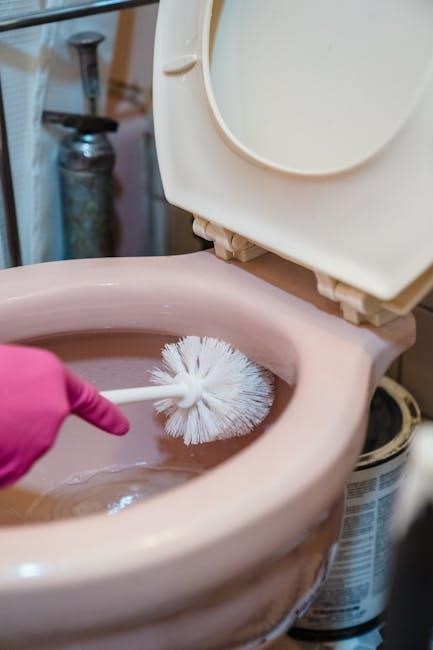
Maintaining a pristine manual bidet toilet seat is surprisingly simple, yet crucial for hygiene and longevity․ Daily wiping with a mild, non-abrasive cleaner and a soft cloth is recommended to remove any residue or water spots from the seat and exterior components․
Focus on areas frequently touched, like the control levers․ Avoid harsh chemicals, bleach, or abrasive cleaners, as these can damage the finish and potentially compromise the bidet’s functionality․ A thorough cleaning should be performed weekly, including a more detailed wipe-down of the mounting hardware to prevent corrosion․
Pay attention to the area where the bidet seat connects to the toilet, ensuring it remains clean and dry to prevent mold or mildew growth․ Consistent, gentle cleaning practices will keep your manual bidet in excellent condition for years to come, providing a consistently fresh and hygienic experience․
Nozzle Cleaning
The bidet nozzle requires dedicated attention to ensure optimal hygiene․ While many manual bidets feature self-cleaning nozzles, periodic manual cleaning is still essential․ Extend the nozzle carefully (consult your manual for the specific method) and gently wipe it with a soft, damp cloth․
For a deeper clean, a mild soap solution can be used, followed by a thorough rinse with clean water․ Inspect the nozzle openings for any mineral buildup or debris; a small brush or toothpick can carefully dislodge these obstructions․
Avoid using abrasive materials that could scratch or damage the nozzle․ Regular nozzle cleaning prevents bacterial growth and ensures a consistently clean and refreshing wash․ Aim to clean the nozzle at least once a month, or more frequently with heavy use, maintaining peak performance and sanitation․
Troubleshooting Common Issues
Encountering problems with your manual bidet? A common issue is reduced water pressure, often caused by sediment buildup in the water supply line․ Try flushing the line before reconnecting the bidet․ Leaks around connections can usually be resolved by tightening the fittings – avoid over-tightening!
If the nozzle isn’t retracting fully, check for obstructions or ensure the control lever is functioning correctly․ A complete lack of water flow suggests a blockage in the hose or connection․
Always refer to your bidet’s manual for specific troubleshooting steps․ If issues persist, contacting the manufacturer’s support can provide tailored assistance․ Remember to disconnect the water supply before attempting any repairs․
Comparing Manual Bidets to Electric Bidets
Explore the differences! Manual bidets offer simplicity and affordability, while electric models boast advanced features like heated seats and warm air dryers․
Cost Comparison
Budget-friendly options abound with manual bidet toilet seats․ Generally, manual bidets represent a significantly lower initial investment compared to their electric counterparts․ You can find basic, non-electric manual bidets starting around $30 to $100, making them an accessible upgrade for any bathroom on a tight budget․
Mechanical manual bidets, offering slightly more adjustability, typically range from $80 to $200․ This price point still remains considerably lower than electric bidets, which can easily cost between $300 and $800, or even exceed $1000 for high-end models with all the bells and whistles․
However, it’s important to consider long-term costs․ Electric bidets, while pricier upfront, may save money over time by reducing toilet paper consumption․ Manual bidets require no electricity, keeping operating costs minimal, but rely on consistent toilet paper use for drying․
Functionality Differences
Manual bidets prioritize simplicity and hygiene, differing significantly from electric models․ The core function – a water spray for cleansing – is present in both, but the execution varies greatly․ Manual bidets rely on manual adjustments for water pressure and nozzle positioning, offering a more hands-on experience․
Unlike electric bidets, manual versions lack features like heated seats, warm air dryers, oscillating nozzles, or automatic flushing․ They depend entirely on your water supply’s temperature, meaning no warm water option unless connected to a hot water line․
Electric bidets offer customizable settings and convenience, while manual bidets provide a basic, reliable cleansing experience․ The choice hinges on desired features versus budget and preference for a simpler, more mechanically-driven approach․
Which Type is Right for You?
Choosing between a manual and electric bidet depends on your needs and budget․ If you seek a cost-effective entry into bidet use, a manual model is ideal․ They require no electrical outlet, simplifying installation and reducing energy consumption․
However, if you desire luxury and advanced features like heated seats, warm water, and automated functions, an electric bidet is the better choice․ Consider your bathroom’s electrical setup and your willingness to invest in a more complex system․
For those prioritizing simplicity, affordability, and a reliable cleansing experience, a manual bidet offers excellent value․ If comfort and customization are paramount, an electric bidet provides a superior, albeit pricier, experience․